
DiariumvsReflectly
A side-by-side comparison of two leading journaling apps to help you find the best journal for your needs.
Disclosure: We built Reflection, so we're not neutral. With that said, we've done our best to keep this comparison fair and accurate to help you find the best app for you.
Quick Recommendation
You want a one-time purchase journal with no subscription, strong Windows support, and automatic social media and fitness data imports.
You want a beautifully designed, low-friction daily mood journal with structured prompts and a mobile-first experience.
A Closer Look
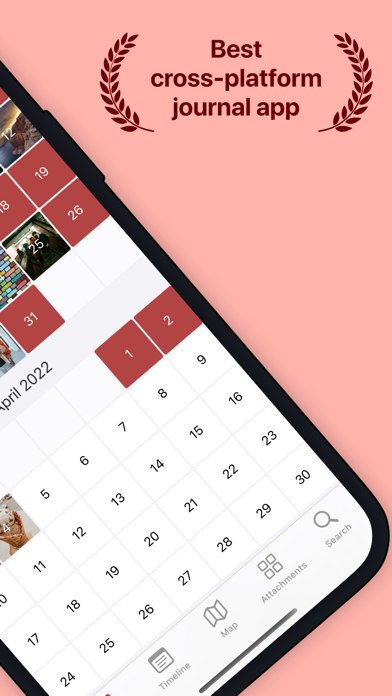
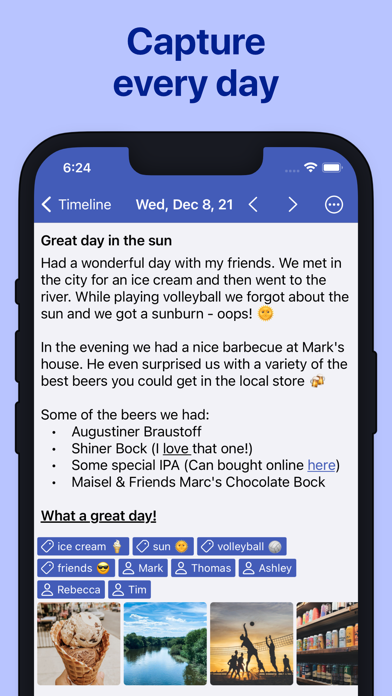
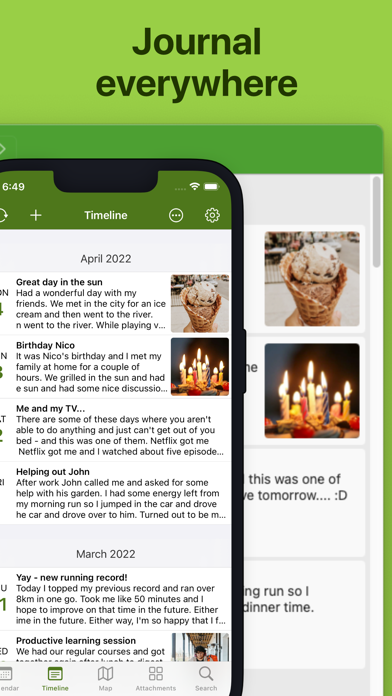
Diarium is a cross-platform diary app known for being one of the best journaling options on Windows, where it won a Microsoft Store Award in 2024. It automatically pulls in your photos, calendar appointments, social media posts, and fitness data from connected services like Facebook, Instagram, Google Fit, Fitbit, and Strava. Entries support unlimited attachments including photos, videos, audio, and PDFs. The app features speech-to-text dictation, password/PIN/biometric protection, and syncs via personal cloud storage like OneDrive, Google Drive, Dropbox, or iCloud.

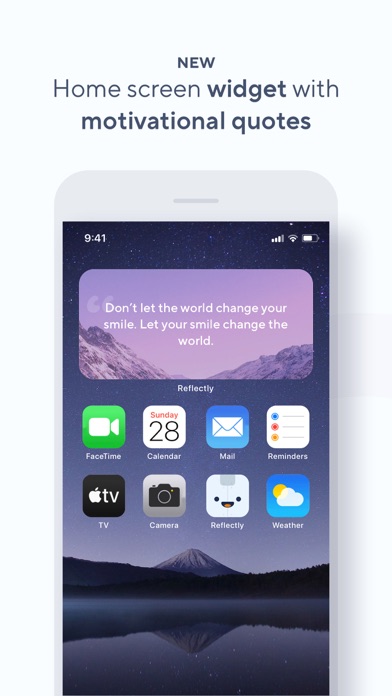
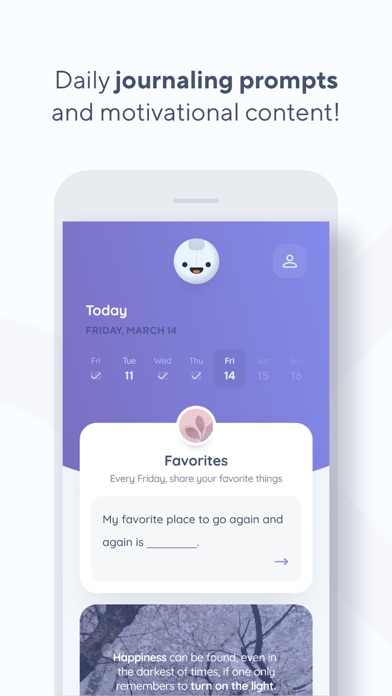
Reflectly uses structured prompts rooted in positive psychology, mindfulness, and cognitive behavioral therapy to guide daily journaling sessions. Each entry walks you through what happened, how you felt, and what you want to do next, lowering the friction of getting started. The app includes mood tracking with activity correlations, streak tracking, inspirational quotes, and offline access. While Reflectly markets itself as AI-powered, the experience is closer to a well-designed prompt sequence than true personalized intelligence. Where Reflectly shines is its polished, colorful mobile-first interface that makes journaling feel approachable.

Feature Comparison
Diarium offers enhanced voice transcription, multi-platform support, export options, and a free tier, with particular strength on Windows where it's one of the top-rated journal apps. It doesn't include AI-powered insights, real-time voice coaching, a guide library, personalized prompts, or daily prompts. The feature comparison below shows Diarium as a solid traditional diary with automatic data imports, but without the AI and coaching features found in newer apps.
Reflectly offers enhanced voice transcription, daily prompts, export options, and a free tier. It lacks AI-powered insights, real-time voice coaching, a guide library, personalized prompts, and multi-platform support. Reflectly's structured CBT-based prompts make it easy to get started, but the feature comparison below reveals that its toolset is more limited than apps offering true AI personalization and guided programs.
Frequently Asked Questions
.svg)

No. Diarium uses a one-time purchase model per platform rather than a subscription, which makes it one of the most affordable long-term journaling options.
Reflectly uses structured prompts rooted in CBT and positive psychology to guide your entries. While it markets AI features, the experience is more of a well-designed prompt sequence that walks you through what happened, how you felt, and what you want to do next.
Yes. Diarium is one of the best journaling apps available on Windows, where it won a Microsoft Store Award in 2024. It also supports iOS, Android, and macOS.
Most Reflectly entries take just a few minutes. The app is designed for quick daily check-ins using guided prompts rather than long-form writing.
Yes. Diarium automatically imports your photos, social media posts, calendar events, and fitness data from services like Facebook, Instagram, Google Fit, Fitbit, and Strava.
Yes. Reflectly works offline so you can journal anytime, even without an internet connection. Your entries sync when you're back online.

The latest from our blog