
DayliovsStoic
A side-by-side comparison of two leading journaling apps to help you find the best journal for your needs.
Disclosure: We built Reflection, so we're not neutral. With that said, we've done our best to keep this comparison fair and accurate to help you find the best app for you.
Quick Recommendation
You prefer quick visual mood tracking over long-form writing, and want to understand how your daily activities affect how you feel.
You want an all-in-one mental wellness toolkit that combines journaling with stoic philosophy, meditation, breathing exercises, and structured therapy-prep templates.
A Closer Look
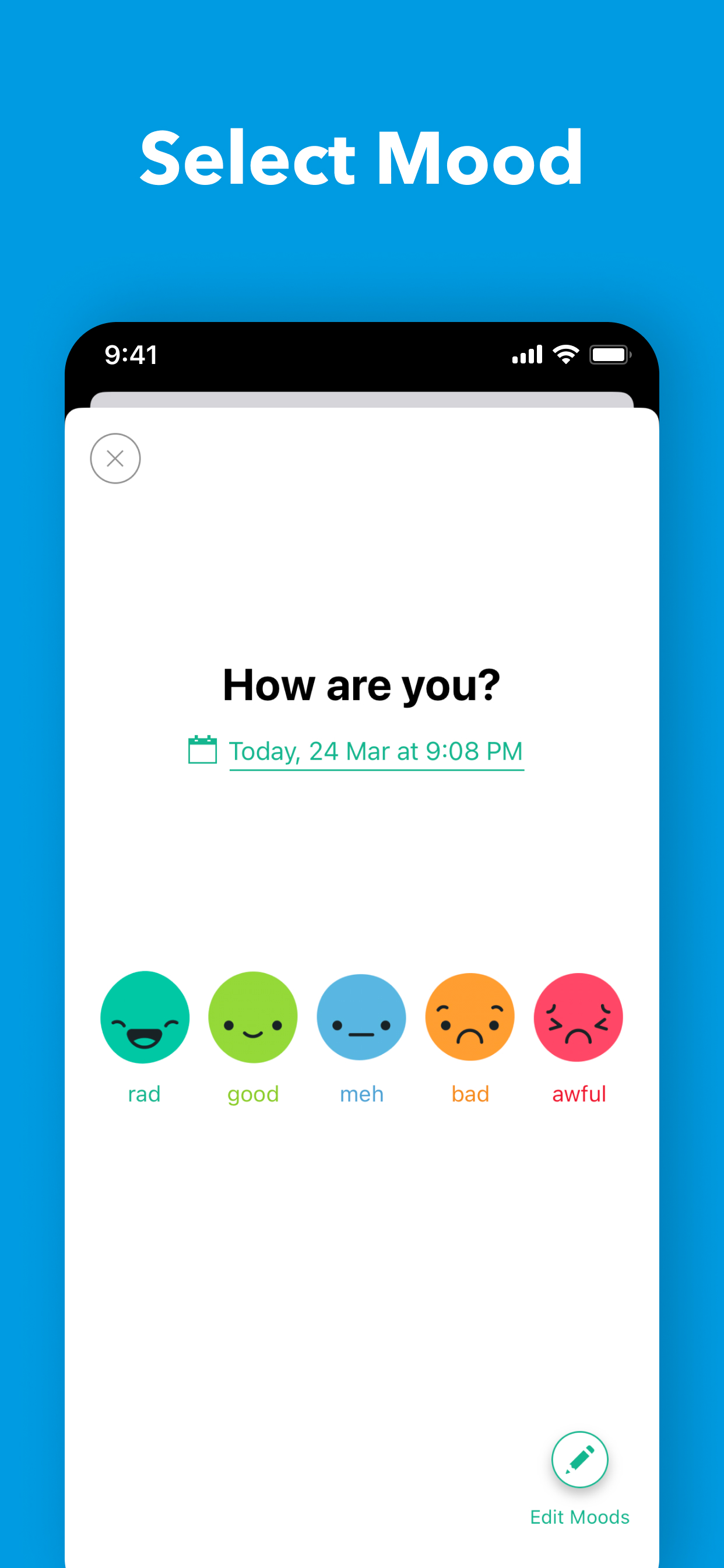
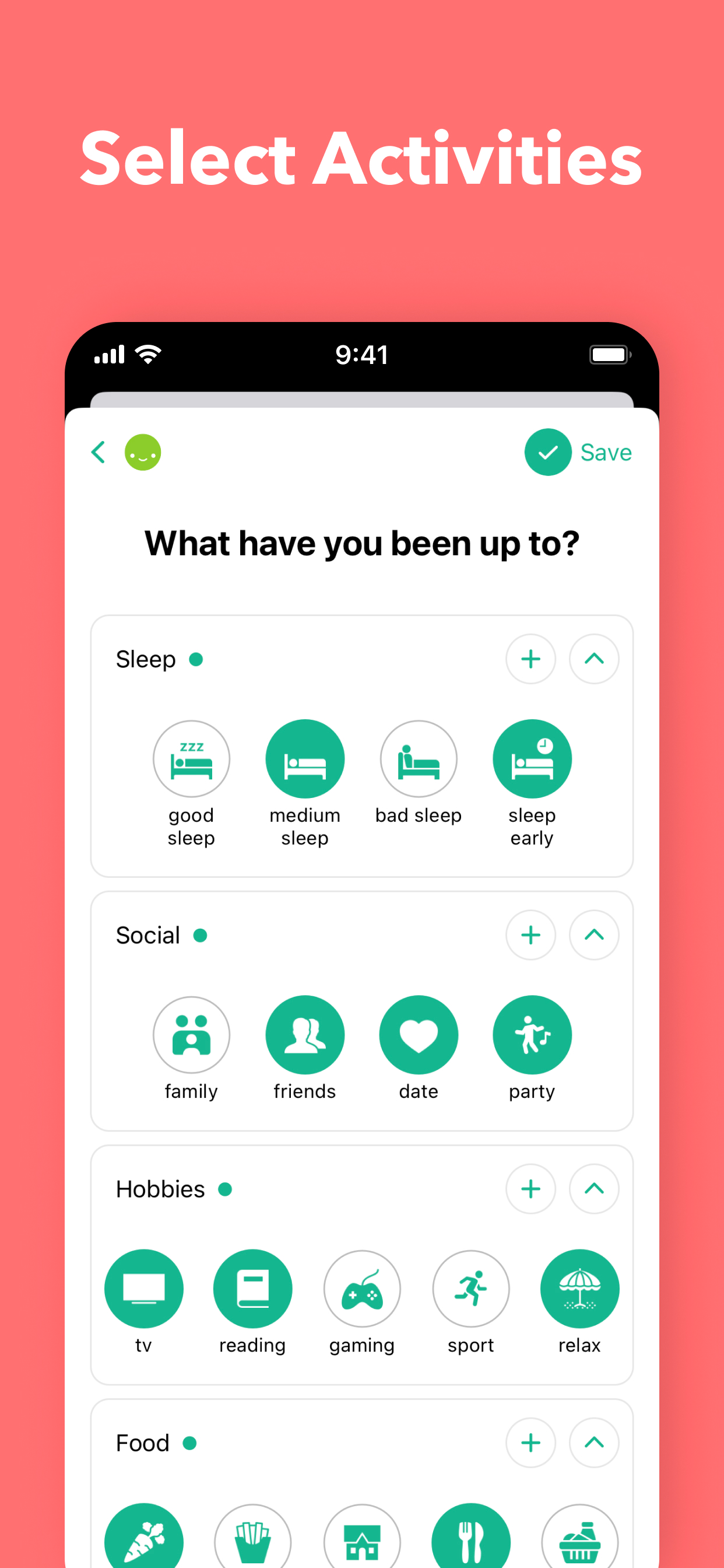
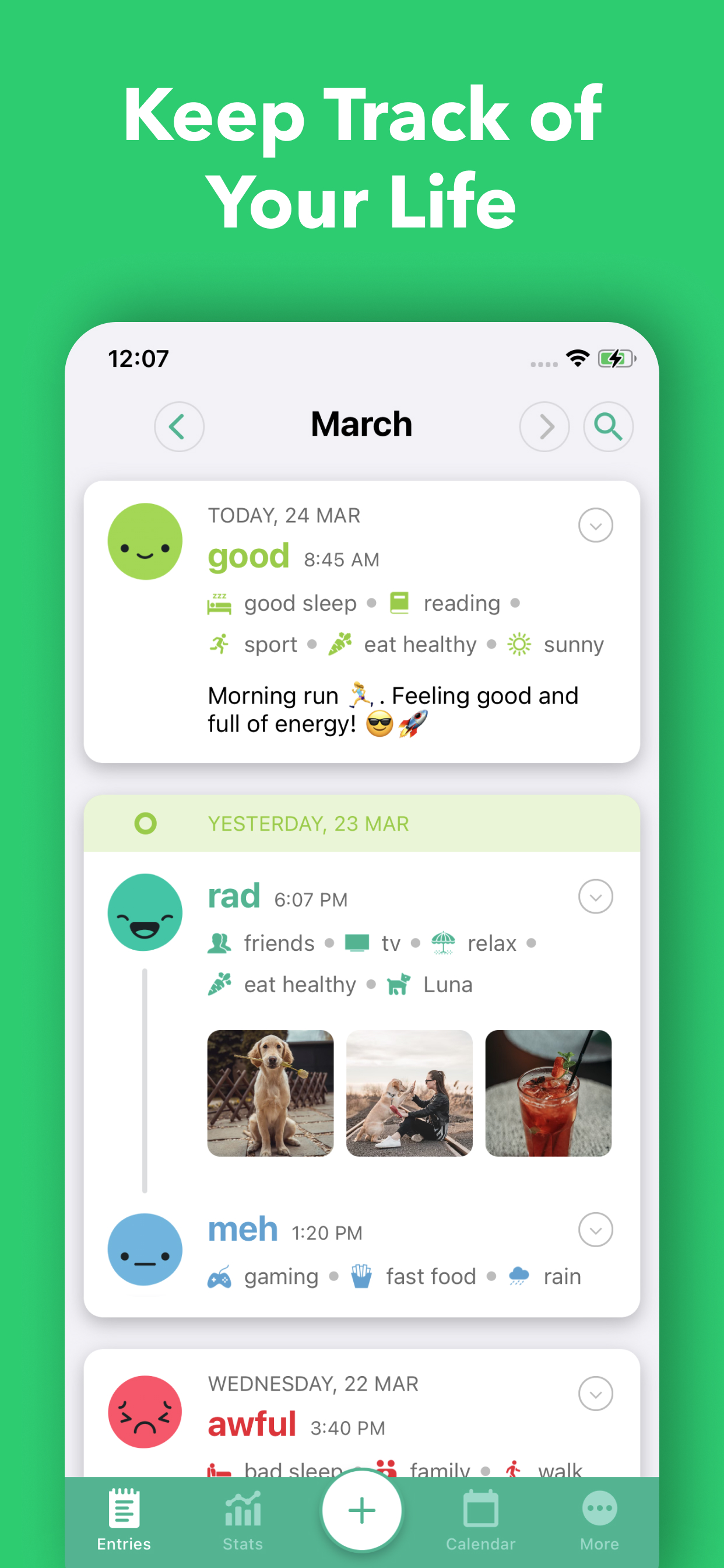
Daylio takes a different approach to journaling by focusing on quick, visual mood tracking rather than long-form writing. You log your mood on a five-point scale, tag the activities you did, and optionally add a short note or photo. Over time, Daylio builds charts and statistics showing correlations between your activities and mood patterns. Features like Year in Pixels, mood calendars, and activity correlations help you spot trends. It also includes habit tracking with customizable goals and reminders, making it a solid choice for people who want insights without the commitment of daily writing.

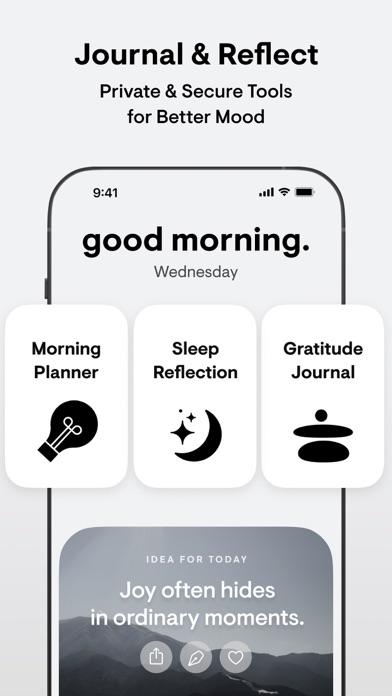
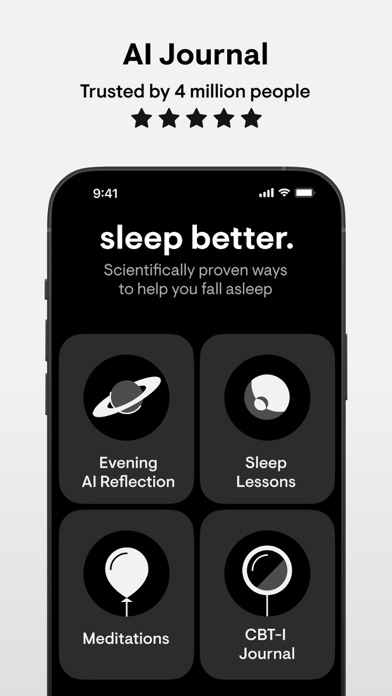
Stoic positions itself as a mental health companion that goes beyond journaling. The app guides you through morning preparation and evening reflection with thought-provoking prompts, and includes tools like meditation sessions, breathing exercises, and mood tracking. It offers templates for specific scenarios like therapy session prep, CBT thought dumps, and dream journaling. Stoic also features AI Mentors that provide personalized guidance from different coaching perspectives. With over 4 million users, the app supports voice notes and media attachments, and its AI-powered insights help identify patterns in your emotional wellbeing over time.

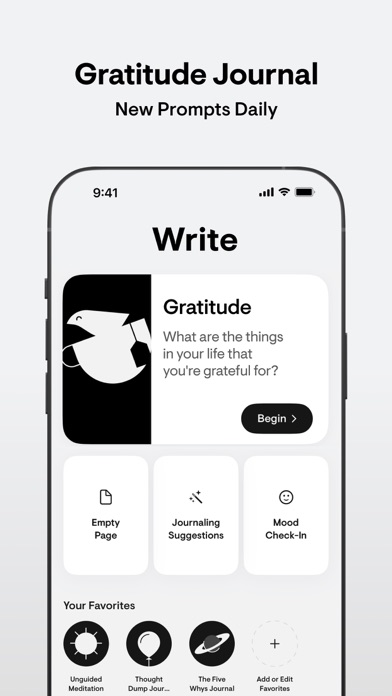
Feature Comparison
Daylio focuses on quick mood logging and activity tracking rather than traditional journaling, offering daily prompts, export options, and a free tier. It lacks AI-powered insights, voice coaching, voice transcription, a guide library, personalized prompts, and multi-platform support (it's mobile-only). The feature comparison below shows how Daylio trades depth of journaling tools for speed and simplicity in tracking your emotional patterns.
Stoic offers AI-powered insights, a guide library, personalized prompts, daily prompts, multi-platform support, and a free tier — making it one of the more feature-complete journaling apps available. Where Stoic falls short is in export options, real-time voice coaching, and enhanced voice transcription. The feature comparison below shows how Stoic stacks up across the key capabilities most people care about when choosing a journaling app.
Frequently Asked Questions
.svg)

No. Daylio is designed for quick check-ins — you tap your mood, select the activities you did, and optionally add a short note. Most entries take under 30 seconds.
No. Stoic is a broader mental wellness toolkit that combines journaling with meditation sessions, breathing exercises, mood tracking, and structured templates for therapy prep and CBT thought exercises.
Yes. Daylio generates charts and statistics that show correlations between your activities and mood over time, including a Year in Pixels view and detailed mood calendars.
Yes. Stoic includes AI Mentors that provide personalized guidance from different coaching perspectives, along with AI-generated insights from your journal entries.
Yes. Daylio works fully offline and stores your data locally on your device. You can optionally back up your data to Google Drive or iCloud.
Yes. Stoic has an Apple Watch companion app, and is also available on iOS, Android, macOS, and the web.

The latest from our blog