
DayliovsMindsera
A side-by-side comparison of two leading journaling apps to help you find the best journal for your needs.
Disclosure: We built Reflection, so we're not neutral. With that said, we've done our best to keep this comparison fair and accurate to help you find the best app for you.
Quick Recommendation
You prefer quick visual mood tracking over long-form writing, and want to understand how your daily activities affect how you feel.
You want an philosophical-minded journal that identifies cognitive biases in your thinking and coaches you with mental models and frameworks.
A Closer Look
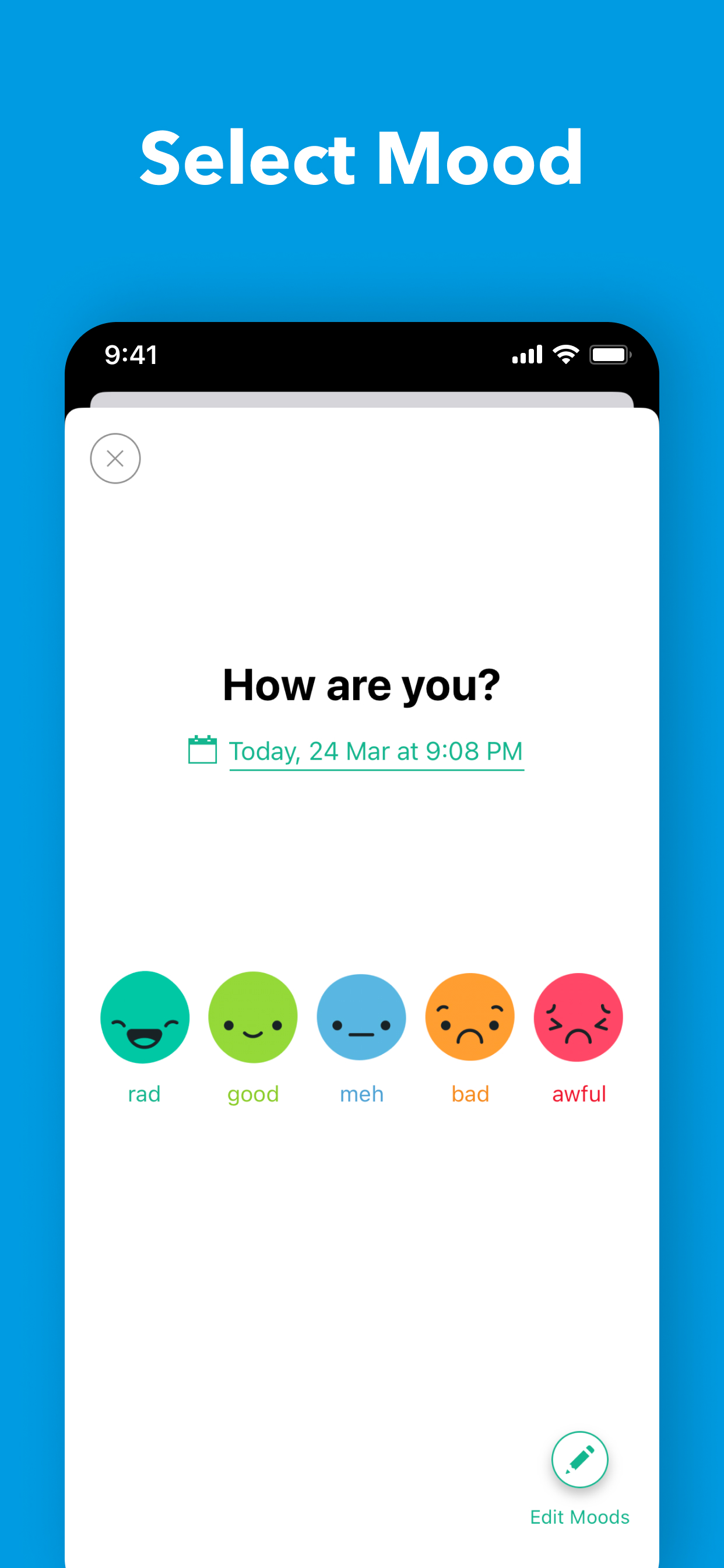
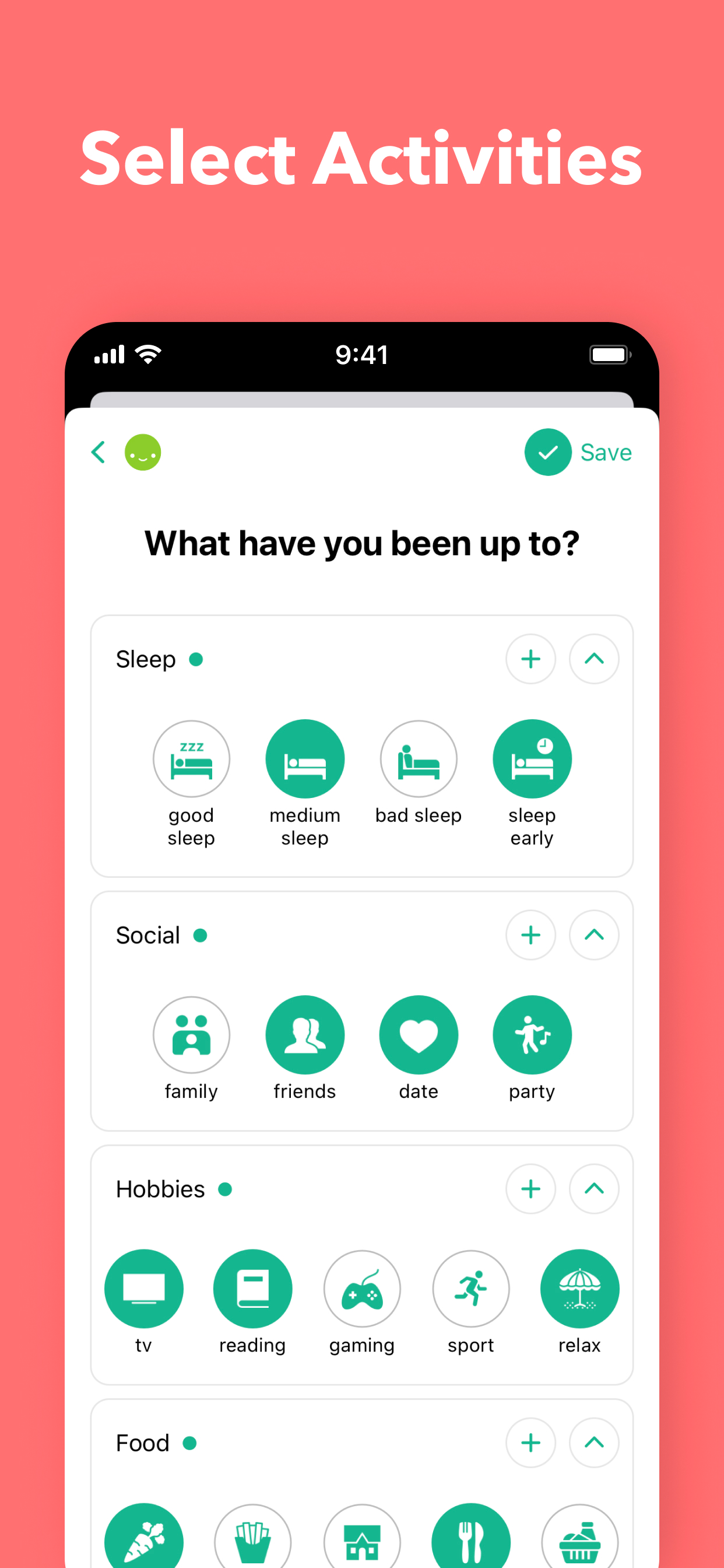
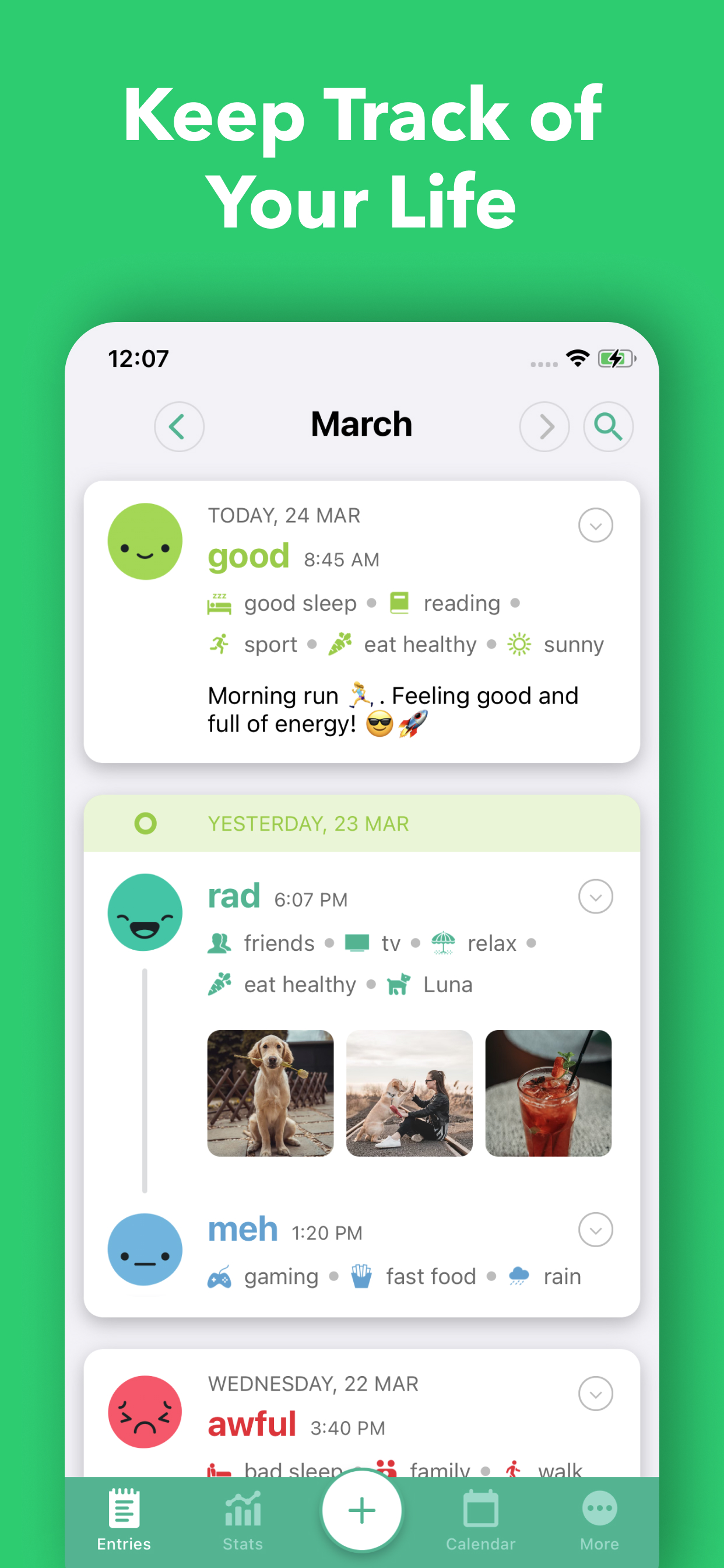
Daylio takes a different approach to journaling by focusing on quick, visual mood tracking rather than long-form writing. You log your mood on a five-point scale, tag the activities you did, and optionally add a short note or photo. Over time, Daylio builds charts and statistics showing correlations between your activities and mood patterns. Features like Year in Pixels, mood calendars, and activity correlations help you spot trends. It also includes habit tracking with customizable goals and reminders, making it a solid choice for people who want insights without the commitment of daily writing.

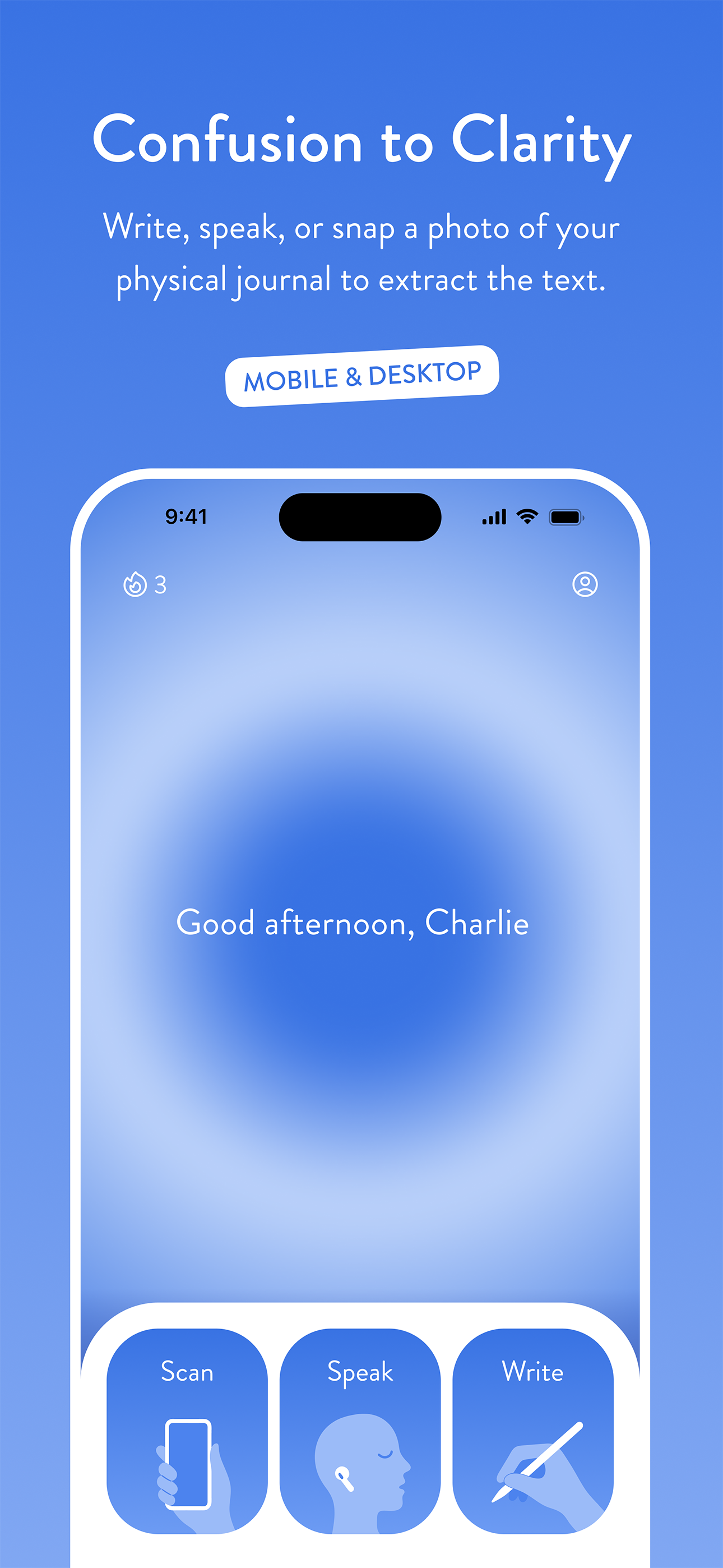
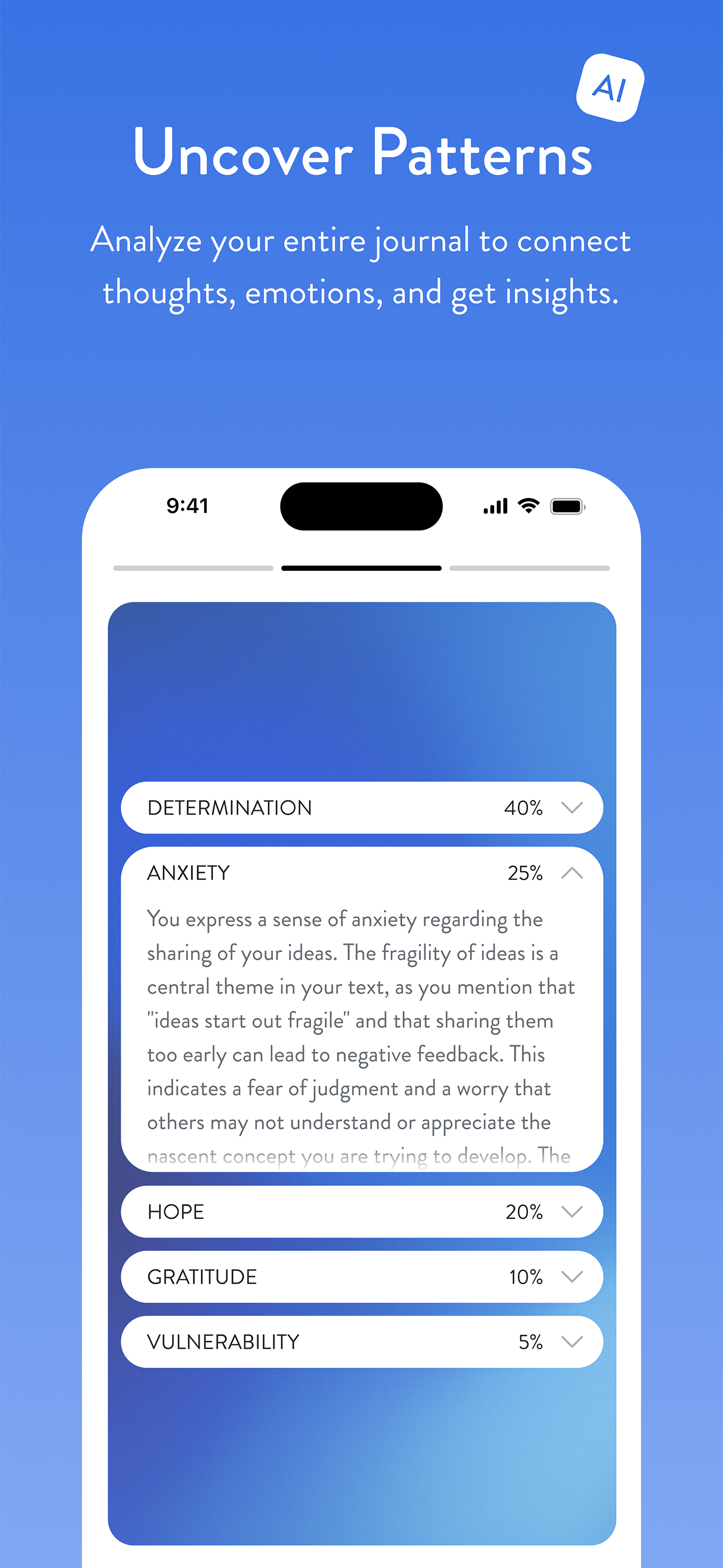
Mindsera combines journaling with cognitive coaching, making it a standout for analytical thinkers who treat self-improvement as mental fitness. The AI analyzes your writing to identify cognitive biases and suggests reframes based on psychological frameworks. It generates mindset analysis reports, AI artwork from your entries, and automatic summaries with smart highlights. You can journal by typing, speaking, texting, or even capturing handwritten notes. Mindsera also includes habit tracking and AI mentorship features, offering a deeper analytical layer than most journaling apps on the market.

Feature Comparison
Daylio focuses on quick mood logging and activity tracking rather than traditional journaling, offering daily prompts, export options, and a free tier. It lacks AI-powered insights, voice coaching, voice transcription, a guide library, personalized prompts, and multi-platform support (it's mobile-only). The feature comparison below shows how Daylio trades depth of journaling tools for speed and simplicity in tracking your emotional patterns.
Mindsera offers AI-powered insights, enhanced voice transcription, personalized prompts, daily prompts, multi-platform support, export options, and a free tier — covering nearly every major journaling feature. It doesn't include real-time voice coaching or a dedicated guide library. Mindsera's cognitive bias analysis and psychological reframing tools give it a unique analytical edge, as the feature comparison below makes clear.
Frequently Asked Questions
.svg)

No. Daylio is designed for quick check-ins — you tap your mood, select the activities you did, and optionally add a short note. Most entries take under 30 seconds.
Mindsera focuses on cognitive coaching — it analyzes your writing for cognitive biases and suggests reframes using psychological frameworks, making it especially suited for analytical thinkers focused on mental fitness.
Yes. Daylio generates charts and statistics that show correlations between your activities and mood over time, including a Year in Pixels view and detailed mood calendars.
Mindsera supports multiple input methods: typing, voice dictation, texting-style entries, and even capturing handwritten notes, giving you flexibility in how you record your thoughts.
Yes. Daylio works fully offline and stores your data locally on your device. You can optionally back up your data to Google Drive or iCloud.
Yes. Mindsera offers a free tier with basic journaling features. The premium plan ($14.99/month or $149/year) unlocks full AI analysis, cognitive bias detection, and advanced coaching features.

The latest from our blog