
DayliovsPenzu
A side-by-side comparison of two leading journaling apps to help you find the best journal for your needs.
Disclosure: We built Reflection, so we're not neutral. With that said, we've done our best to keep this comparison fair and accurate to help you find the best app for you.
Quick Recommendation
You prefer quick visual mood tracking over long-form writing, and want to understand how your daily activities affect how you feel.
You want a simple, private online diary with encryption and a traditional writing experience without AI or extra features.
A Closer Look
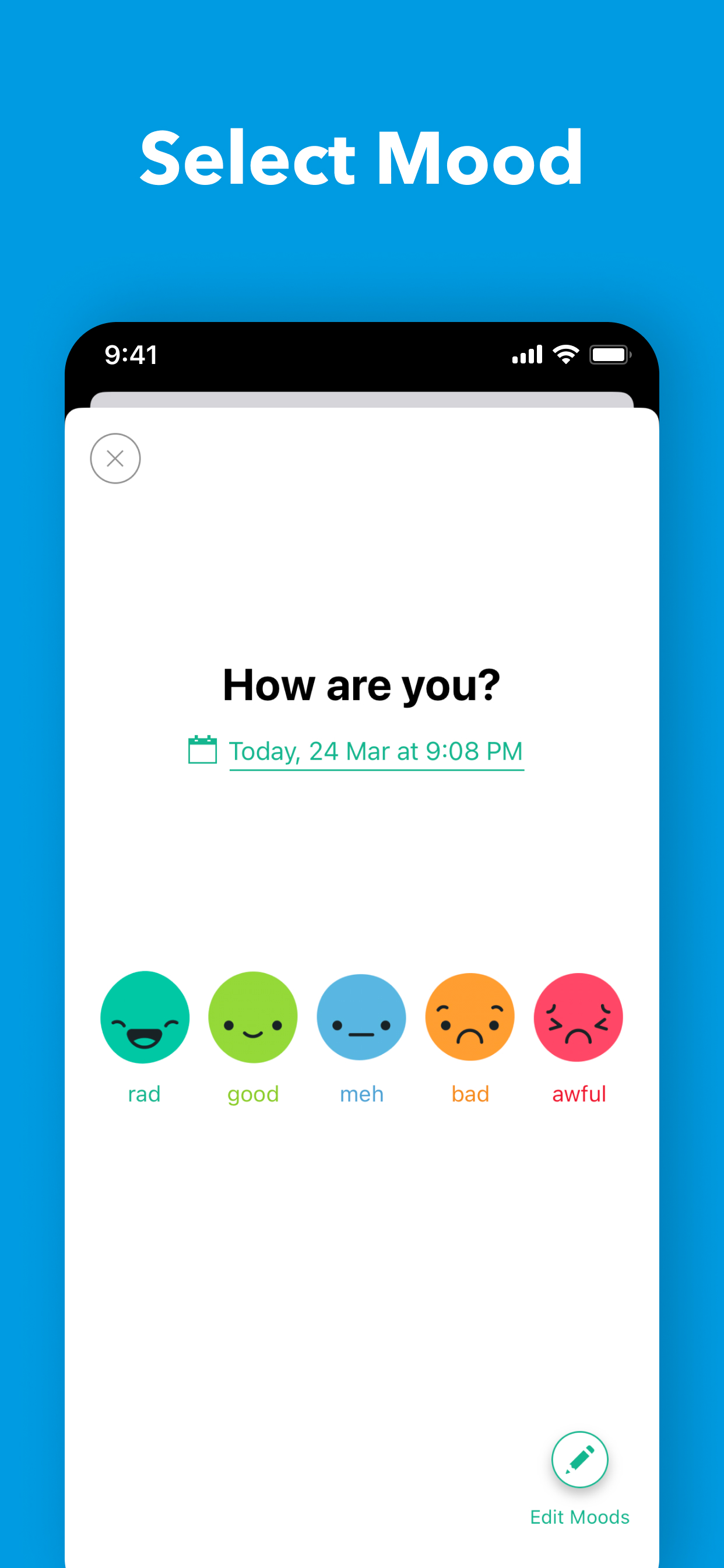
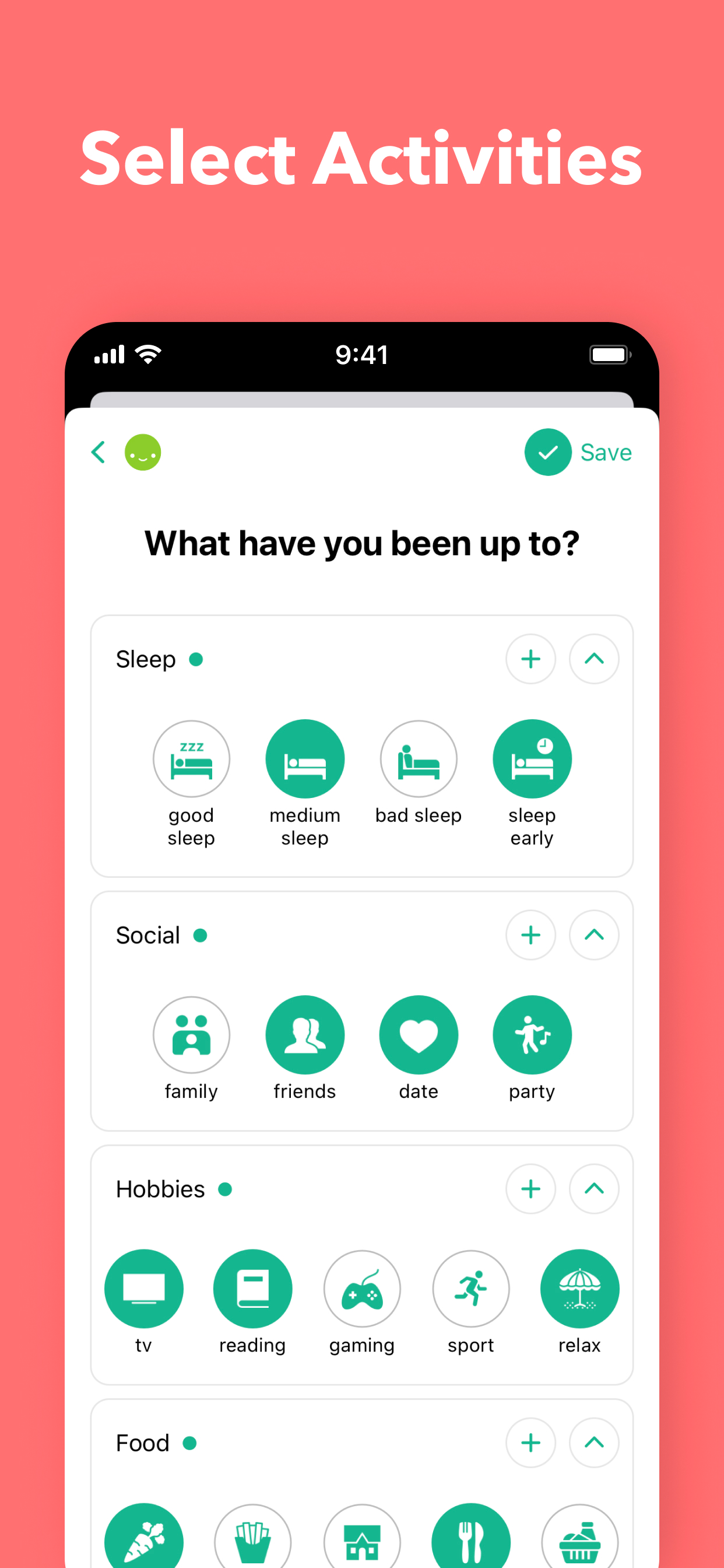
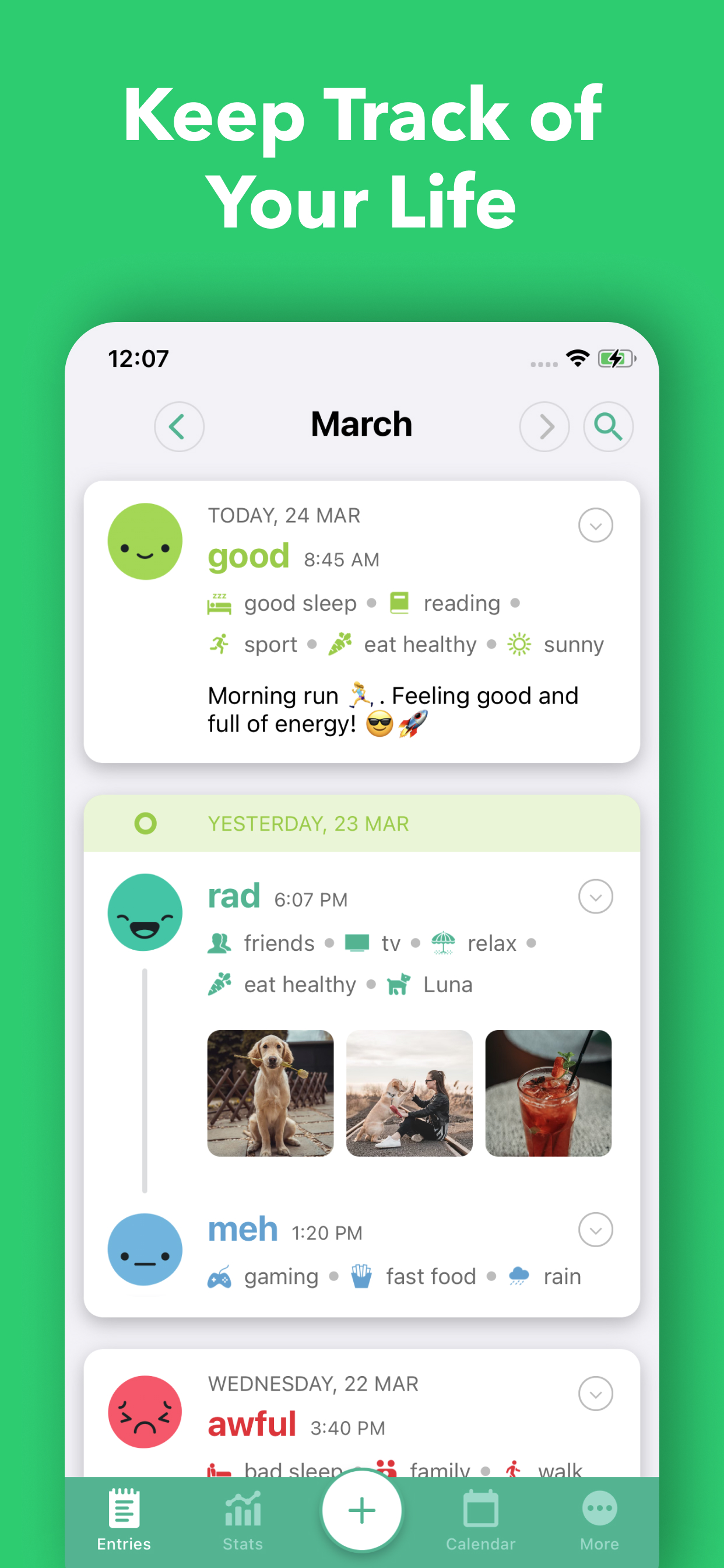
Daylio takes a different approach to journaling by focusing on quick, visual mood tracking rather than long-form writing. You log your mood on a five-point scale, tag the activities you did, and optionally add a short note or photo. Over time, Daylio builds charts and statistics showing correlations between your activities and mood patterns. Features like Year in Pixels, mood calendars, and activity correlations help you spot trends. It also includes habit tracking with customizable goals and reminders, making it a solid choice for people who want insights without the commitment of daily writing.

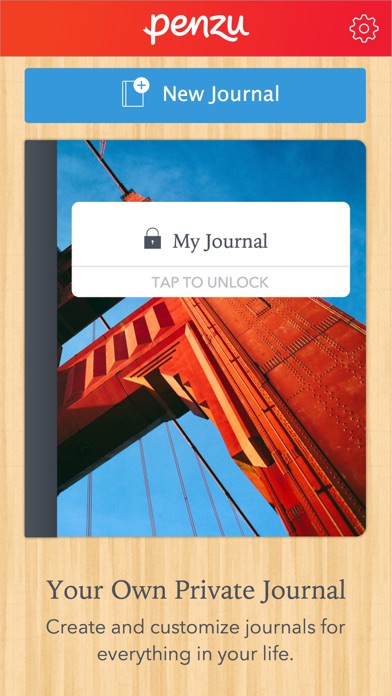
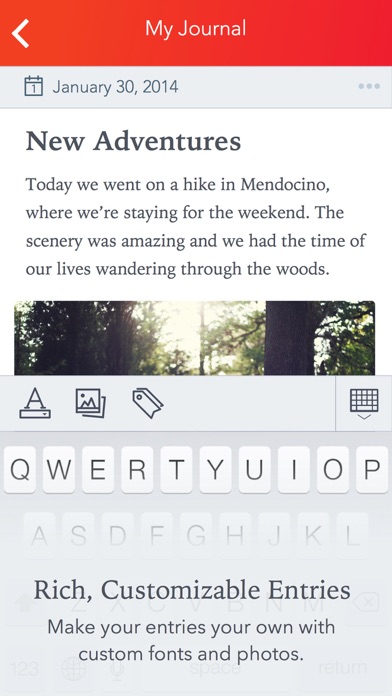
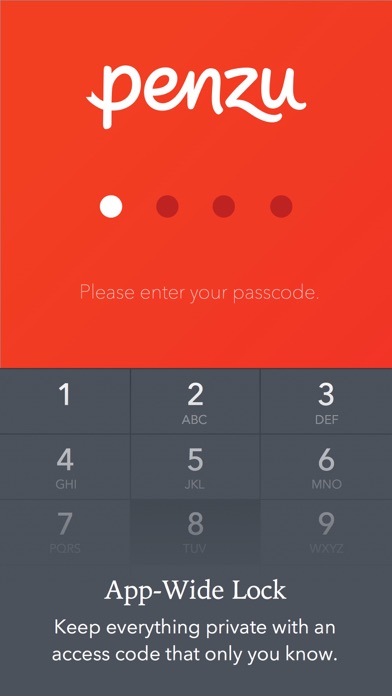
Penzu is one of the earliest online journaling platforms, offering a simple, distraction-free writing experience focused on privacy. It features 256-bit AES encryption and double password protection so entries are accessible only to you. The interface mimics a traditional diary with customizable covers, fonts, colors, and themes. You can upload photos, set write reminders, organize with tags, and search across all your entries. Penzu also supports journaling by email and has been around since 2008, making it one of the longest-running digital diary services available.

Feature Comparison
Daylio focuses on quick mood logging and activity tracking rather than traditional journaling, offering daily prompts, export options, and a free tier. It lacks AI-powered insights, voice coaching, voice transcription, a guide library, personalized prompts, and multi-platform support (it's mobile-only). The feature comparison below shows how Daylio trades depth of journaling tools for speed and simplicity in tracking your emotional patterns.
Penzu offers multi-platform support, export options, and a free tier, with a strong emphasis on privacy through military-grade encryption. It lacks AI-powered insights, voice coaching, voice transcription, a guide library, personalized prompts, and daily prompts. The feature comparison below shows Penzu as a straightforward, security-focused writing tool that prioritizes privacy over modern AI and coaching features.
Frequently Asked Questions
.svg)

No. Daylio is designed for quick check-ins — you tap your mood, select the activities you did, and optionally add a short note. Most entries take under 30 seconds.
Penzu uses 256-bit AES encryption (the same standard used by banks) and offers double password protection, so your journal entries are accessible only to you.
Yes. Daylio generates charts and statistics that show correlations between your activities and mood over time, including a Year in Pixels view and detailed mood calendars.
Yes. Penzu supports journaling by email, allowing you to send entries directly from your inbox without opening the app.
Yes. Daylio works fully offline and stores your data locally on your device. You can optionally back up your data to Google Drive or iCloud.
No. Penzu focuses on providing a clean, distraction-free writing experience similar to a traditional diary. It prioritizes simplicity and privacy over AI-powered features.

The latest from our blog