



Mindfulness journaling is a transformative practice that synergizes writing and awareness, fostering a deeper connection to the present moment. Through mindful writing, individuals can cultivate greater clarity, peace, and introspection. In this blog post, we'll explore the core aspects of mindfulness journaling and how it enhances present-moment awareness.
Mindfulness journaling involves consciously writing in a way that promotes mindfulness, allowing individuals to ground themselves in the present moment. By focusing on thoughts, emotions, and sensations, this practice encourages greater awareness and understanding. Unlike traditional journaling, mindfulness journaling emphasizes being fully present with each word and thought, fostering mental clarity and emotional balance.
Journaling naturally lends itself to mindfulness by demanding attention to one's inner experiences. Present-moment journaling focuses on capturing thoughts and feelings as they arise, encouraging a non-judgmental exploration of one's mental landscape. This practice aligns closely with mindfulness, which research shows is beneficial for reducing stress and enhancing overall well-being.
Mindfulness journaling offers several benefits:
To begin a mindfulness journaling practice, start with setting clear intentions. Find a quiet space, choose a journal that resonates with you, and dedicate time each day for writing. Focus on the present by capturing thoughts and emotions without judgment. For more tips on starting and maintaining a meaningful journaling practice, see the Reflection guide.
Mindful writing techniques involve approaching journaling with curiosity and openness. Use prompts to guide your reflection, such as:
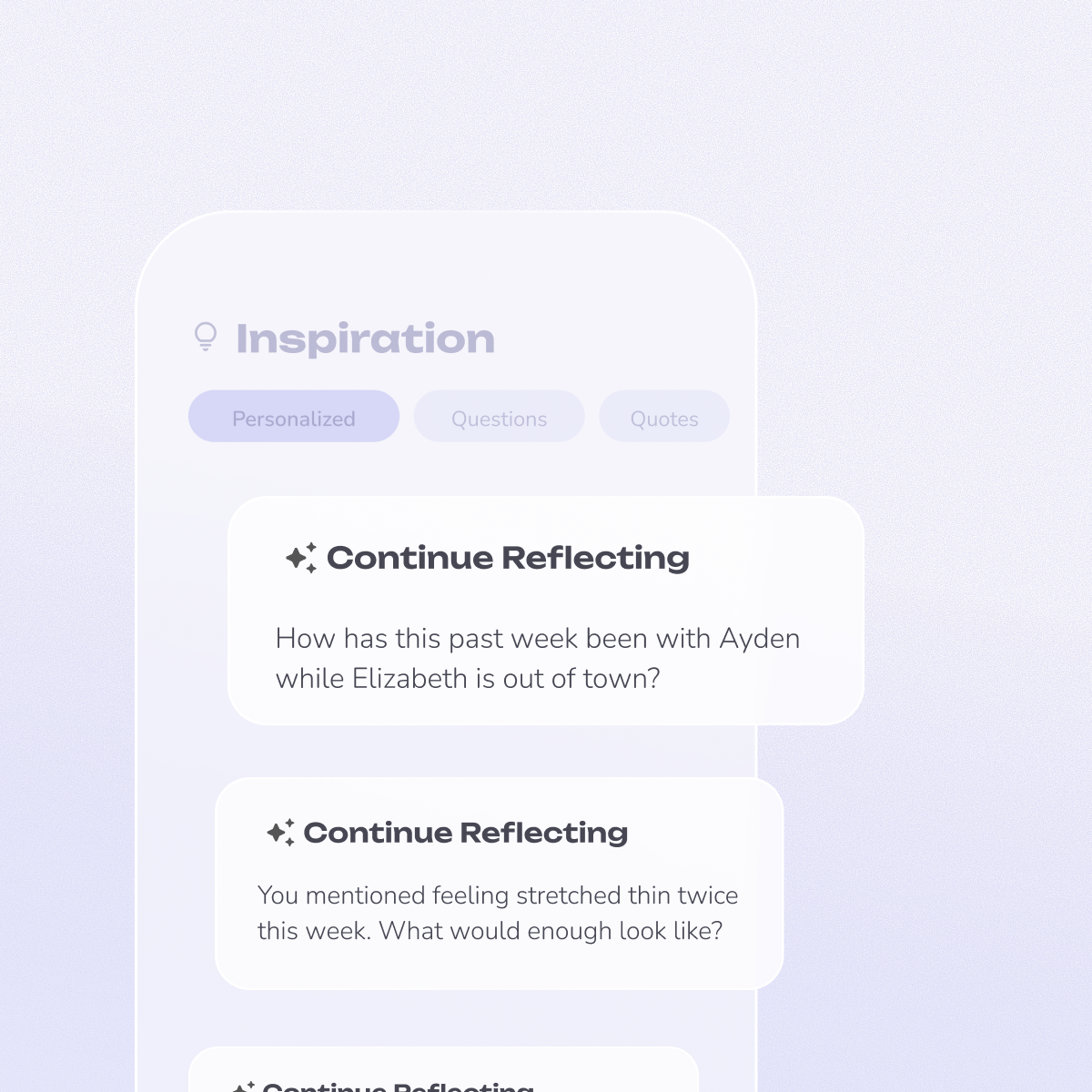
The Reflection app provides insightful prompts, enhancing the quality of your journaling experience. Visit The Power of a Good Question for more on crafting impactful prompts.
Meditation journaling merges mindfulness with meditation principles. After meditating, write about your experiences and insights. This practice deepens the meditative experience, offering a space for reflection and growth. The American Psychological Association notes that mindfulness meditation is a research-proven way to reduce stress and can be effectively combined with journaling practices.
Common challenges in mindfulness journaling include maintaining consistency and overcoming writer's block. Combat these by setting achievable goals and embracing imperfect entries. Remember, the focus is on presence, not perfection. Research from UC Berkeley's Greater Good Science Center shows that journaling can help during difficult times, making it a valuable tool for overcoming obstacles.
While mindfulness journaling is inherently personal, using supportive tools can enhance the experience. Reflection offers an AI-enhanced, human-centered approach that respects privacy and fosters meaningful reflection. External resources, such as UC Berkeley's research on what mindfulness truly means, provide additional insights into mindfulness practices.
Mindfulness journaling is a powerful means of cultivating present-moment awareness. By integrating mindful writing techniques into daily life, individuals can experience profound personal growth and emotional balance. Through genuine reflection and awareness, the journey towards mindfulness becomes a rewarding and enriching experience.
Mindfulness journaling is a transformative practice that synergizes writing and awareness, fostering a deeper connection to the present moment. Through mindful writing, individuals can cultivate greater clarity, peace, and introspection. In this blog post, we'll explore the core aspects of mindfulness journaling and how it enhances present-moment awareness.
Mindfulness journaling involves consciously writing in a way that promotes mindfulness, allowing individuals to ground themselves in the present moment. By focusing on thoughts, emotions, and sensations, this practice encourages greater awareness and understanding. Unlike traditional journaling, mindfulness journaling emphasizes being fully present with each word and thought, fostering mental clarity and emotional balance.
Journaling naturally lends itself to mindfulness by demanding attention to one's inner experiences. Present-moment journaling focuses on capturing thoughts and feelings as they arise, encouraging a non-judgmental exploration of one's mental landscape. This practice aligns closely with mindfulness, which research shows is beneficial for reducing stress and enhancing overall well-being.
Mindfulness journaling offers several benefits:
To begin a mindfulness journaling practice, start with setting clear intentions. Find a quiet space, choose a journal that resonates with you, and dedicate time each day for writing. Focus on the present by capturing thoughts and emotions without judgment. For more tips on starting and maintaining a meaningful journaling practice, see the Reflection guide.
Mindful writing techniques involve approaching journaling with curiosity and openness. Use prompts to guide your reflection, such as:
The Reflection app provides insightful prompts, enhancing the quality of your journaling experience. Visit The Power of a Good Question for more on crafting impactful prompts.
Meditation journaling merges mindfulness with meditation principles. After meditating, write about your experiences and insights. This practice deepens the meditative experience, offering a space for reflection and growth. The American Psychological Association notes that mindfulness meditation is a research-proven way to reduce stress and can be effectively combined with journaling practices.
Common challenges in mindfulness journaling include maintaining consistency and overcoming writer's block. Combat these by setting achievable goals and embracing imperfect entries. Remember, the focus is on presence, not perfection. Research from UC Berkeley's Greater Good Science Center shows that journaling can help during difficult times, making it a valuable tool for overcoming obstacles.
While mindfulness journaling is inherently personal, using supportive tools can enhance the experience. Reflection offers an AI-enhanced, human-centered approach that respects privacy and fosters meaningful reflection. External resources, such as UC Berkeley's research on what mindfulness truly means, provide additional insights into mindfulness practices.
Mindfulness journaling is a powerful means of cultivating present-moment awareness. By integrating mindful writing techniques into daily life, individuals can experience profound personal growth and emotional balance. Through genuine reflection and awareness, the journey towards mindfulness becomes a rewarding and enriching experience.